


5 min read
British Shorthair Weight Guide: What Is the Ideal Size for This Breed?
Learn the average weight of a British Shorthair cat and how diet, activity, and genetics influence a healthy body size.


British Shorthairs are admired for their calm temperament, plush coats, and strong, muscular build. Their relaxed personality and affectionate nature make them wonderful companions, but maintaining their health requires thoughtful care—especially when it comes to nutrition.
Many owners naturally begin wondering what the best British Shorthair cat food is for supporting this breed’s sturdy frame and overall wellbeing. Because British Shorthairs have a naturally dense body structure, their diet should support muscle health while avoiding unnecessary weight gain.
Understanding the right balance of nutrients helps these cats stay active, maintain their beautiful coat, and remain healthy for many years. Discussions about British Shorthair care often touch on several aspects of the breed, including temperament, grooming, and even topics like whether British Shorthair cats are hypoallergenic, since overall health and coat quality are closely connected.
Choosing the right British Shorthair cat food starts with understanding the breed’s basic nutritional needs. Like all cats, British Shorthairs are obligate carnivores, which means their diet should be centered around high-quality animal protein.
Because they are naturally muscular but not extremely active, their diet must balance energy and nutrition carefully.
Protein forms the foundation of a healthy feline diet. It supports muscle development, metabolism, and tissue repair.
High-quality British Shorthair cat food usually includes protein sources such as:
chicken
turkey
salmon
beef
These ingredients help maintain lean muscle mass and provide essential amino acids needed for daily body functions.
Protein also contributes to maintaining the breed’s dense musculature and helps support their naturally strong physique.
Healthy fats are equally important in a balanced diet. They provide energy and support the condition of the cat’s skin and coat.
Omega-3 and omega-6 fatty acids are especially valuable because they help maintain:
healthy skin
coat shine and softness
immune system function
Vitamins and minerals such as vitamin A, vitamin E, and zinc also contribute to overall health and help support the British Shorthair’s luxurious coat.
Taurine is one of the most essential nutrients for cats. Unlike some animals, cats cannot produce enough taurine on their own, which means it must be included in their diet.
A deficiency in taurine may lead to serious health issues such as:
heart disease
vision problems
weakened immune function
Quality British Shorthair cat food formulas include adequate taurine levels to support healthy heart and eye function.

There are several feeding approaches that can work well for this breed. The best choice often depends on a cat’s individual needs, health conditions, and the owner’s lifestyle.
Dry food, often called kibble, is one of the most common feeding options.
Benefits of dry food include:
convenience and easy storage
longer shelf life
potential support for dental health
However, not all dry foods are equal. The best options contain:
real meat as the primary ingredient
minimal fillers or artificial additives
balanced protein and fat levels
Lower-quality dry foods may contain excessive carbohydrates, which can contribute to weight gain in less active cats.
Wet food provides higher moisture content, which is beneficial for hydration and kidney health.
Many veterinarians recommend incorporating wet food into a cat’s diet because it can:
improve water intake
enhance flavor and palatability
help with portion control and weight management
For many cats, a combination of wet and dry food creates a balanced feeding routine.
Some owners choose raw or fresh diets designed to mimic the natural prey-based diet of wild cats.
When properly balanced, these diets can offer excellent nutrition. However, they require careful planning to ensure all essential nutrients are included. Veterinary guidance is recommended to avoid nutritional deficiencies.
A cat’s nutritional needs change throughout its life. Selecting the best food for British Shorthair cats involves adjusting their diet according to their age and development stage.
Kittens grow rapidly during their first year and require additional calories and nutrients to support healthy development.
British Shorthair kitten food usually contains:
higher protein levels
increased calorie density
nutrients that support bone and muscle growth
Because British Shorthairs mature slowly, providing proper kitten nutrition helps establish a strong foundation for adult health.
The best food for British Shorthair kitten diets focuses on high-quality ingredients that promote balanced development rather than excessive weight gain.
Once they reach adulthood, British Shorthairs benefit from a balanced diet that maintains muscle mass without providing unnecessary calories.
Adult diets typically focus on:
high-quality protein sources
moderate fat levels
controlled carbohydrate content
Since this breed tends to have a relaxed personality, portion control becomes especially important.
As cats grow older, their metabolism and activity levels may gradually decline. Senior diets often include additional nutrients that support aging bodies.
These may include:
glucosamine for joint support
controlled calorie levels
easily digestible proteins
Adjusting nutrition as a cat ages can help support long-term health and comfort.

Not every cat food provides the same nutritional quality. Certain ingredients should be avoided when selecting British Shorthair cat food.
Some inexpensive cat foods rely heavily on fillers such as corn, wheat, or soy.
While these ingredients are not necessarily harmful, they provide limited nutritional value and may contribute to weight gain when consumed in large quantities.
Cats require very little carbohydrate in their diet. Foods with excessive carbohydrate levels may increase the risk of obesity.
Since British Shorthairs already have a naturally stocky body type, maintaining a balanced nutrient profile is particularly important.
Certain foods that are safe for humans can be dangerous for cats.
Common toxic foods include:
onions
garlic
chocolate
grapes and raisins
Even small amounts can cause serious health problems.
British Shorthairs naturally have a round appearance, but maintaining a healthy weight is important for preventing long-term health issues.
Measured portions help prevent overeating and maintain a balanced British Shorthair cat food routine.
Many veterinarians recommend feeding two scheduled meals per day instead of leaving food available at all times.
Consistent feeding schedules help regulate metabolism and support healthy digestion.
Routine feeding also makes it easier to monitor changes in appetite that might indicate health concerns.
Regularly checking a cat’s weight allows owners to identify gradual changes early.
Weight gain may indicate that diet, portion sizes, or activity levels need adjustment.
Nutrition also plays an important role in early development. Observing how diet influences the growth and health of British Shorthair kittens often highlights how proper feeding supports strong muscles, a dense coat, and steady development.

Providing the right British Shorthair cat food is essential for maintaining this breed’s strong build, plush coat, and overall health.
From choosing high-quality protein sources to adjusting nutrition throughout different life stages, a well-balanced diet helps support steady growth, healthy metabolism, and long-term wellbeing.
With consistent feeding routines and thoughtful nutrition, British Shorthairs can remain strong, comfortable, and affectionate companions for many years.
Enjoyed this article? Share your thoughts and experiences with purebred cats below! Your feedback helps our community of cat lovers.


5
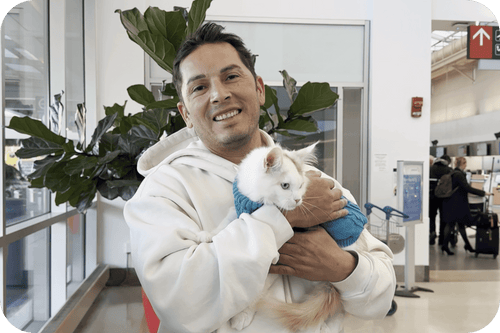
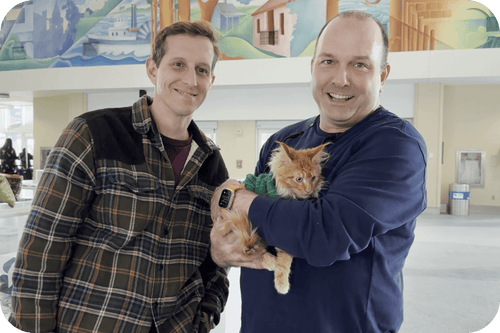
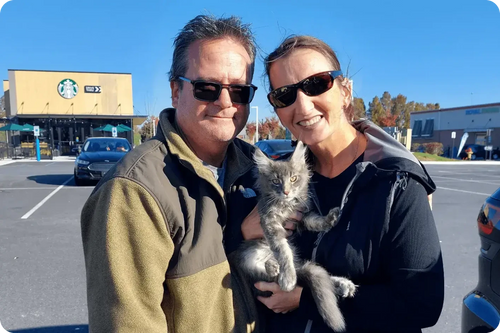
Adopting our new kitten from Purebred Kitties was a wonderful experience. The process was smooth and clear, leaving no room for confusion. Alona's kindness and genuine care shone through as she promptly answered all my questions. Thanks to the whole team, our new furry family member is now home and already cherished beyond words!

5
I am absolutely thrilled with my experience! The team provided instant clarification and communication, showing true compassion every step of the way. The video calls reassured me that this company is trustworthy. The caring consultants seamlessly connected me with the breeder, making the entire process smooth and efficient.

5
Purebredkitties has been absolutely wonderful. They made everything so easy and stress-free. Adoption specialist Kim A was fantastic, always going the extra mile to help me. She even responded to my email at 3 am her time! 😊 This whole experience has been truly heartwarming and rewarding.

5
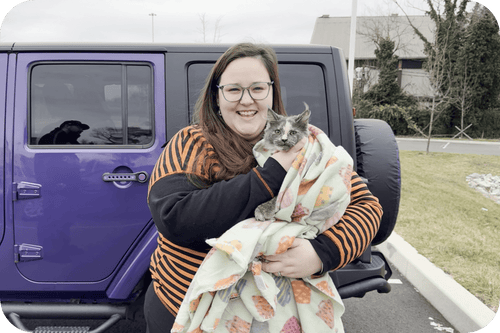
Our experience with Purebredkitties was wonderful! Communication was great, and we even got to FaceTime with our kitten before bringing her home. She was exactly as we expected and is already doing great with our family after just two days. One small note is that pedigree papers weren't included and cost extra, which was a bit pricey since she arrived spayed. Overall, even though it was expensive, it was worth it. The quality and size of our kitten are amazing!

5
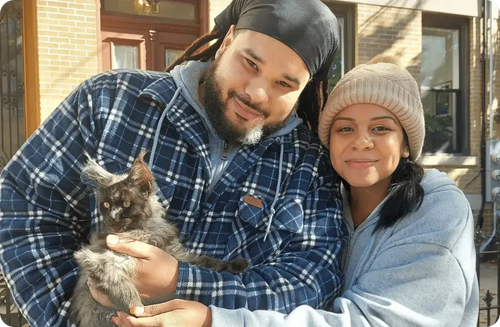
The whole experience of adopting a pet with this fantastic team has been nothing short of wonderful. Now, I have the joy of being a devoted pet mom to a gorgeous kitten I named Princess. I'm already looking forward to adopting another fur baby with Maria's help in the future. I'm absolutely thrilled and can't thank you all enough!

5
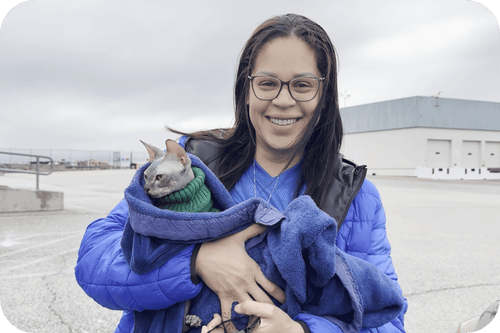
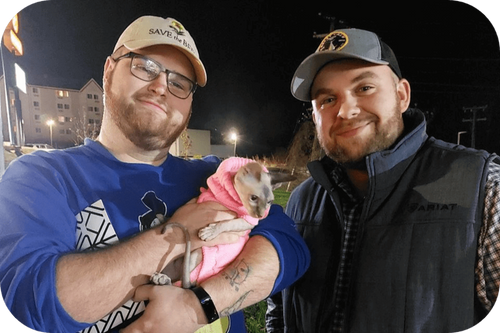
Proud mom of four Sphynx kitties! I adopted all of my adorable feline friends from Maria at purebredkitties.com, and I couldn’t be happier. Each one is a treasure, and working with Maria has been an absolute delight!

5
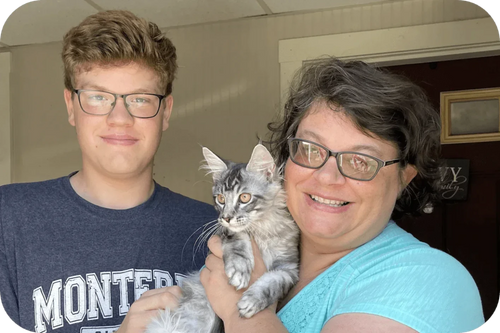
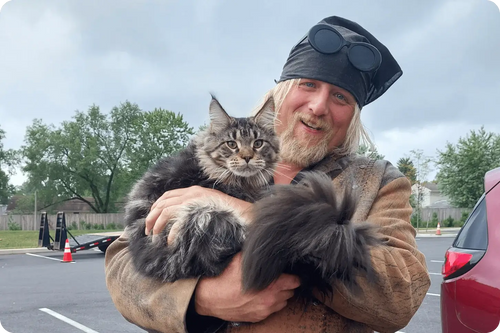
The whole journey to bring our fluffy bundle of joy home was fantastic. Maria is incredibly kind and always ready to answer all our questions. I really appreciate how seriously they take the health of the cats. Our kitten arrived with a minor case of the sniffles, likely from the airport travel, but it was easily and quickly resolved. Plus, the video call we had to meet our little guy beforehand was a wonderful way to get a glimpse of his personality and feel confident in our decision. I'm definitely recommending Purebred Kitties to all my friends who are looking to get their own Maine Coon.

5
I recently welcomed my second Sphynx from Purebred Kitties, and just like my first experience, everything went perfectly. This time around was just as smooth and delightful. I adore both of my cats—they're healthy, have amazing personalities, and are absolutely precious.
5
Adopting our new kitten from Purebred Kitties was a wonderful experience. The process was smooth and clear, leaving no room for confusion. Alona's kindness and genuine care shone through as she promptly answered all my questions. Thanks to the whole team, our new furry family member is now home and already cherished beyond words!
5
I am absolutely thrilled with my experience! The team provided instant clarification and communication, showing true compassion every step of the way. The video calls reassured me that this company is trustworthy. The caring consultants seamlessly connected me with the breeder, making the entire process smooth and efficient.
5
Purebredkitties has been absolutely wonderful. They made everything so easy and stress-free. Adoption specialist Kim A was fantastic, always going the extra mile to help me. She even responded to my email at 3 am her time! 😊 This whole experience has been truly heartwarming and rewarding.
5
Our experience with Purebredkitties was wonderful! Communication was great, and we even got to FaceTime with our kitten before bringing her home. She was exactly as we expected and is already doing great with our family after just two days. One small note is that pedigree papers weren't included and cost extra, which was a bit pricey since she arrived spayed. Overall, even though it was expensive, it was worth it. The quality and size of our kitten are amazing!
5
The whole experience of adopting a pet with this fantastic team has been nothing short of wonderful. Now, I have the joy of being a devoted pet mom to a gorgeous kitten I named Princess. I'm already looking forward to adopting another fur baby with Maria's help in the future. I'm absolutely thrilled and can't thank you all enough!
5
Proud mom of four Sphynx kitties! I adopted all of my adorable feline friends from Maria at purebredkitties.com, and I couldn’t be happier. Each one is a treasure, and working with Maria has been an absolute delight!
5
The whole journey to bring our fluffy bundle of joy home was fantastic. Maria is incredibly kind and always ready to answer all our questions. I really appreciate how seriously they take the health of the cats. Our kitten arrived with a minor case of the sniffles, likely from the airport travel, but it was easily and quickly resolved. Plus, the video call we had to meet our little guy beforehand was a wonderful way to get a glimpse of his personality and feel confident in our decision. I'm definitely recommending Purebred Kitties to all my friends who are looking to get their own Maine Coon.
5
I recently welcomed my second Sphynx from Purebred Kitties, and just like my first experience, everything went perfectly. This time around was just as smooth and delightful. I adore both of my cats—they're healthy, have amazing personalities, and are absolutely precious.



Don't miss your dream kitten! Get updates on newly listed kitties and deals to your inbox!



Comments(0)