0 min read
Wade Warren
12


One breed is tall, powerful, and famously majestic, while the other is compact, low to the ground, and instantly recognizable. Despite their dramatic physical differences, both Munchkin and Maine Coon cats have earned loyal fans as affectionate companions. Choosing between them isn’t about which is better overall — it’s about which fits your lifestyle, space, and expectations more naturally.
At first glance, the contrast between these breeds is striking. Maine Coons are among the largest domestic cats in the world, with long legs, broad chests, and heavy bone structure. Munchkins, by comparison, have shortened legs due to a naturally occurring genetic mutation, giving them a low-slung, compact appearance without affecting torso length.
Maine Coons move with a slow, deliberate confidence, often compared to small wildcats. Their long stride and height allow them to navigate furniture and vertical spaces with ease. Munchkins move differently — quick, agile, and close to the ground, relying more on speed and flexibility than reach.
Maine Coons have dense, semi-long coats designed to protect them in cold climates, while Munchkins can have either short or long coats depending on lineage. Grooming demands vary more by coat length than by breed name, but size amplifies the effort required for Maine Coons.
Key physical distinctions owners notice most include:
Overall body size and weight difference
Leg length affecting mobility and reach
Coat volume influencing grooming time
These traits shape not only appearance, but also daily handling and home setup.

Temperament plays a bigger role in long-term satisfaction than physical appearance alone. While both Munchkin and Maine Coon cats are generally people-oriented, the way they bond, communicate, and share space with humans differs in meaningful ways that shape everyday life.
Maine Coons tend to express affection in a calm, understated manner. They often stay close to their owners, quietly observing or resting nearby, and may follow them from room to room without demanding constant attention. Physical closeness is welcomed, but usually on their own terms rather than through persistent lap-sitting.
Munchkins, by contrast, are typically more demonstrative. They seek interaction more actively, initiate play, and often enjoy being picked up or involved in household activity. Their affectionate behavior is more visible and frequent, which many owners describe as “kitten-like” even in adulthood.
Maine Coons strike a balanced middle ground between independence and loyalty. They are comfortable entertaining themselves and adapt well to homes where owners work full-time, provided they receive consistent social interaction when people are present.
Munchkins often form stronger attachment bonds and prefer environments where companionship is readily available. They thrive in households with flexible schedules, children, or multiple pets, where interaction is part of the daily rhythm rather than an occasional event.
Play behavior also reflects personality differences. Maine Coons tend to enjoy slower, purposeful play that mimics hunting behaviors, such as stalking, chasing, and pouncing. Their size and coordination make them confident climbers, though they are rarely hyperactive.
Munchkins display bursts of high-energy play, often favoring quick movements, ground-level chasing, and interactive toys. Their playful nature tends to persist longer into adulthood, contributing to a lively household atmosphere.
Both breeds generally coexist well with other animals, but their social styles differ. Maine Coons are often tolerant and observant, integrating gradually into multi-pet homes. They tend to read social cues well and avoid unnecessary conflict.
Munchkins are more likely to initiate interaction, both with people and other pets. This outgoing tendency can be charming but may require gentle supervision in homes with more reserved animals.
Many of these behavioral tendencies are rooted in breed development and are often highlighted in broader discussions of what makes Maine Coons stand out as a breed, particularly their reputation for being gentle, adaptable, and socially intuitive companions.

Space needs are often misunderstood when comparing these two breeds. Bigger doesn’t always mean more demanding, but it does change how space is used.
Maine Coons benefit from vertical territory — tall cat trees, shelves, and sturdy furniture that can support their weight. Munchkins, while smaller, still enjoy active play but rely more on floor-level movement and interactive toys.
Owners typically need to consider:
Vertical climbing opportunities versus open floor space
Furniture durability for larger cats
Play styles ranging from chasing to climbing
This difference in spatial use often matters more than square footage alone.
Long-term health is an essential part of deciding between breeds, especially for owners planning a decade or more of shared life.
Munchkins are often scrutinized for joint health due to their leg structure, though many live active, comfortable lives with proper weight management. Maine Coons, on the other hand, are predisposed to conditions such as hip dysplasia and hypertrophic cardiomyopathy, partly due to their size.
Understanding breed-specific risks helps owners plan preventive care rather than reacting to problems after they appear. Balanced nutrition, controlled weight, and routine veterinary monitoring play a central role for both breeds.

Cost differences between these breeds are cumulative rather than immediate. Food consumption is higher for Maine Coons simply because of body mass, while grooming costs increase with coat length and density.
Over time, owners often notice differences in:
Monthly food quantities
Grooming frequency and tools
Veterinary expenses tied to size-related conditions
While neither breed is low-maintenance, Maine Coons generally require more resources to support their size, whereas Munchkins demand more interactive time and supervision during play.
Ultimately, the question of munchkin or maine coon comes down to alignment rather than superiority.
Maine Coons tend to suit households with ample space, durable furnishings, and owners who appreciate a calm, steady companion. Munchkins often fit well in apartments or busy homes where frequent interaction, play, and engagement are part of daily life.
For readers curious about the Munchkin side of the comparison, broader insights into their temperament and quirks can be found in guides that explore what makes Munchkin cats uniquely charming.
Munchkin and Maine Coon cats offer distinctly different ownership experiences, shaped by size, movement, personality, and care demands. While both breeds are affectionate and social, their needs diverge in ways that significantly affect daily life.
Choosing between them isn’t about trends or appearances. It’s about matching a breed’s physical traits and temperament to your living space, schedule, and expectations. When that match is right, either breed can become a deeply rewarding companion for years to come.


5
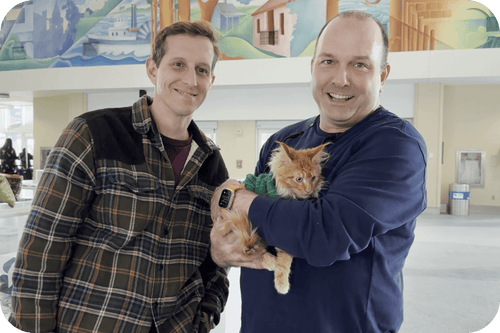
Adopting our new kitten from Purebred Kitties was a wonderful experience. The process was smooth and clear, leaving no room for confusion. Alona's kindness and genuine care shone through as she promptly answered all my questions. Thanks to the whole team, our new furry family member is now home and already cherished beyond words!

5
I am absolutely thrilled with my experience! The team provided instant clarification and communication, showing true compassion every step of the way. The video calls reassured me that this company is trustworthy. The caring consultants seamlessly connected me with the breeder, making the entire process smooth and efficient.

5
Purebredkitties has been absolutely wonderful. They made everything so easy and stress-free. Adoption specialist Kim A was fantastic, always going the extra mile to help me. She even responded to my email at 3 am her time! 😊 This whole experience has been truly heartwarming and rewarding.

5
Our experience with Purebredkitties was wonderful! Communication was great, and we even got to FaceTime with our kitten before bringing her home. She was exactly as we expected and is already doing great with our family after just two days. One small note is that pedigree papers weren't included and cost extra, which was a bit pricey since she arrived spayed. Overall, even though it was expensive, it was worth it. The quality and size of our kitten are amazing!

5
The whole experience of adopting a pet with this fantastic team has been nothing short of wonderful. Now, I have the joy of being a devoted pet mom to a gorgeous kitten I named Princess. I'm already looking forward to adopting another fur baby with Maria's help in the future. I'm absolutely thrilled and can't thank you all enough!

5
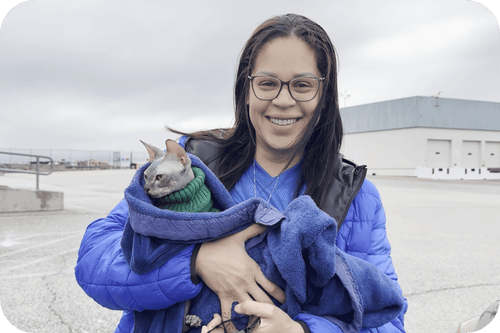
Proud mom of four Sphynx kitties! I adopted all of my adorable feline friends from Maria at purebredkitties.com, and I couldn’t be happier. Each one is a treasure, and working with Maria has been an absolute delight!

5
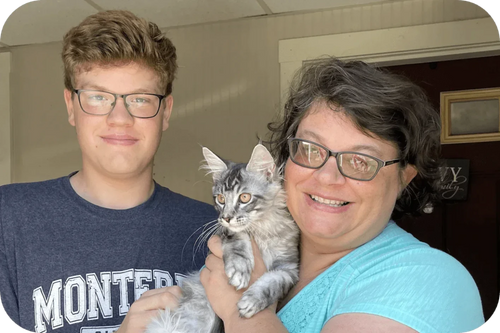
The whole journey to bring our fluffy bundle of joy home was fantastic. Maria is incredibly kind and always ready to answer all our questions. I really appreciate how seriously they take the health of the cats. Our kitten arrived with a minor case of the sniffles, likely from the airport travel, but it was easily and quickly resolved. Plus, the video call we had to meet our little guy beforehand was a wonderful way to get a glimpse of his personality and feel confident in our decision. I'm definitely recommending Purebred Kitties to all my friends who are looking to get their own Maine Coon.

5
I recently welcomed my second Sphynx from Purebred Kitties, and just like my first experience, everything went perfectly. This time around was just as smooth and delightful. I adore both of my cats—they're healthy, have amazing personalities, and are absolutely precious.
5
Adopting our new kitten from Purebred Kitties was a wonderful experience. The process was smooth and clear, leaving no room for confusion. Alona's kindness and genuine care shone through as she promptly answered all my questions. Thanks to the whole team, our new furry family member is now home and already cherished beyond words!
5
I am absolutely thrilled with my experience! The team provided instant clarification and communication, showing true compassion every step of the way. The video calls reassured me that this company is trustworthy. The caring consultants seamlessly connected me with the breeder, making the entire process smooth and efficient.
5
Purebredkitties has been absolutely wonderful. They made everything so easy and stress-free. Adoption specialist Kim A was fantastic, always going the extra mile to help me. She even responded to my email at 3 am her time! 😊 This whole experience has been truly heartwarming and rewarding.
5
Our experience with Purebredkitties was wonderful! Communication was great, and we even got to FaceTime with our kitten before bringing her home. She was exactly as we expected and is already doing great with our family after just two days. One small note is that pedigree papers weren't included and cost extra, which was a bit pricey since she arrived spayed. Overall, even though it was expensive, it was worth it. The quality and size of our kitten are amazing!
5
The whole experience of adopting a pet with this fantastic team has been nothing short of wonderful. Now, I have the joy of being a devoted pet mom to a gorgeous kitten I named Princess. I'm already looking forward to adopting another fur baby with Maria's help in the future. I'm absolutely thrilled and can't thank you all enough!
5
Proud mom of four Sphynx kitties! I adopted all of my adorable feline friends from Maria at purebredkitties.com, and I couldn’t be happier. Each one is a treasure, and working with Maria has been an absolute delight!
5
The whole journey to bring our fluffy bundle of joy home was fantastic. Maria is incredibly kind and always ready to answer all our questions. I really appreciate how seriously they take the health of the cats. Our kitten arrived with a minor case of the sniffles, likely from the airport travel, but it was easily and quickly resolved. Plus, the video call we had to meet our little guy beforehand was a wonderful way to get a glimpse of his personality and feel confident in our decision. I'm definitely recommending Purebred Kitties to all my friends who are looking to get their own Maine Coon.
5
I recently welcomed my second Sphynx from Purebred Kitties, and just like my first experience, everything went perfectly. This time around was just as smooth and delightful. I adore both of my cats—they're healthy, have amazing personalities, and are absolutely precious.
Don't miss your dream kitten! Get updates on newly listed kitties and deals to your inbox!