


5 min read
How Old Do Maine Coon Cats Live and What Affects Their Lifespan?
Learn how old Maine Coon cats live on average and what factors influence their lifespan, including health, lifestyle, and proper care.


The first time someone meets a Maine Coon in person, the reaction is usually the same: “I’ve never seen a cat this big.” Their long bodies, wide chests, powerful legs, and massive tails make them stand out in a way few other breeds can. But what truly separates them from typical house cats — and even some dogs — is not just size, but structure.
Most owners and future adopters wonder whether a maine coon size comparison is exaggerated by photos online or whether they really are a breed of giant house cats. This guide breaks down their physical dimensions, growth pattern, and how they compare with both normal cats and medium-sized dogs. If you’re preparing to welcome a Maine Coon, understanding their true dimensions helps you plan a suitable living space and care routine.
Maine Coons are large not only in weight but in body length, height, and muscle density. Instead of compact, round bodies like many domestic breeds, they have elongated proportions that create the “wild cat” look.
A full-grown Maine Coon’s standout feature is body length. From nose to base of tail, many adults stretch farther than people expect — and their long bushy tails add dramatic extra volume. The long torso is supported by strong abdominal and back muscles, giving them power in climbing and leaping without appearing bulky.
Unlike typical house cats, Maine Coons have a noticeable shoulder rise and a broad, powerful posture. When standing, their shoulders sit higher off the ground, and their chest depth contributes to their overall vertical dimension. Muscles in the hind legs allow sharp acceleration during play and confident jumps to high shelves.
Their skeletons are simply longer, thicker, and heavier. That density isn’t fat — a lean Maine Coon still feels weighty when lifted. Strong joints and a wide skull add to their impressive silhouette without sacrificing agility. They are built like athletes rather than “large fluff balls.”
An average domestic short-haired cat is typically 9–10 inches tall and 18 inches long (excluding the tail). In comparison, Maine Coons often exceed both measurements significantly.
In a broad maine coon cat size comparison, you’ll see these typical contrasts:
Greater body length and a proportionally longer tail
Wider shoulders and thicker legs
More pronounced muscle development, even in lean cats
One of the reasons this size difference feels so noticeable is timing. Many normal cats reach full size between 10 and 14 months. Maine Coons take much longer. As a result, when an owner compares their adult cat to a Maine Coon of the same age, the Maine Coon still has years of growth ahead — making the difference appear enormous.
Pace also affects behavior. While smaller breeds may reach their full strength earlier, Maine Coons have a steady, controlled development that supports long-term joint health.

A full grown maine coon size comparison to dog may surprise people used to thinking of cats as much smaller pets. Although Maine Coons do not match large dog breeds, they are comparable in size to several medium dogs.
Similarities include:
Comparable shoulder height to small-to-medium dog breeds
A body length that can meet or surpass that of certain spaniels and terriers
A strong muscular frame that gives them visual presence beyond their weight category
But size does not equal personality. Despite impressive dimensions, Maine Coons retain feline balance, graceful movements, and independence. They don’t behave like dogs — even if some owners joke that their Maine Coon feels “as big as one.”
When it comes to homes with multiple pets, many people look beyond size. Discussions from owners — such as those described in Do Maine Coons Get Along With Other Animals — show that compatibility depends more on introductions and temperament than physical comparison. For many households, a Maine Coon’s calm confidence actually helps smoother bonding with other pets.

Compared to typical cats that stop growing after a year, Maine Coons take time — and patience. Many go through a lanky phase before filling out. Growth can continue for 3–4 years, and unlike other breeds, stabilizes gradually.
During this long growth period, owners may notice:
Tail growth before the rest of the body catches up
Shoulder width increasing last
A sudden appetite spike during muscle development
Periods of slower growth followed by rapid changes
Understanding timelines helps avoid assumptions. A 2-year-old Maine Coon who looks “a bit skinny” is usually still maturing, not underweight. Their structure is built for slow, steady development.
When planning living space for a Maine Coon, numbers don’t tell the full story. It’s not just length or height that matters — it’s how they move. Their size influences everything from furniture to litter box choice.
Considerations include:
Larger, more stable scratching posts and trees
Extra-large litter boxes to avoid mess caused by long bodies
Wider beds with raised rims for comfortable sprawling
Hard-sided carriers with space to turn around without crouching
Helpful checklist for new owners:
Choose heavy cat trees that won’t wobble
Ensure shelves can support weight safely
Pick toys designed for powerful paws and jaws
Regardless of home layout, the key is space to stretch, climb, and feel unrestricted. Maine Coons may not require extra rooms, but they appreciate a vertical playground.

Maine Coons are truly unique in the pet world — not just heavier or taller, but longer, broader, and more athletically built than the average house cat. Their size becomes clearer when compared with both normal cats and medium-sized dogs, yet their gentle movement and balanced temperament set them apart from both.
Their slow maturity allows healthy, controlled development that protects joints and muscles for life. For owners, the most important takeaway is accepting the breed for what it is: a large, affectionate companion that thrives when given space and thoughtful accommodations. With that, Maine Coons grow into their size beautifully — not as oversized curiosities, but as confident, graceful family pets.
Enjoyed this article? Share your thoughts and experiences with purebred cats below! Your feedback helps our community of cat lovers.


5
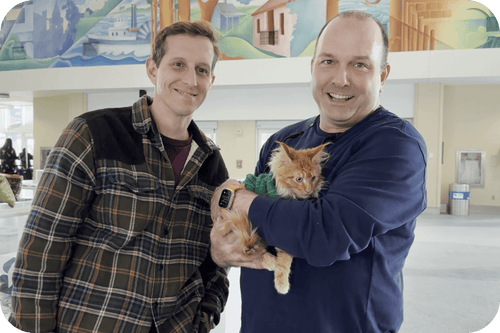
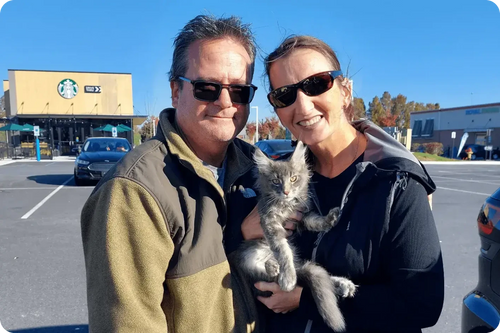
Adopting our new kitten from Purebred Kitties was a wonderful experience. The process was smooth and clear, leaving no room for confusion. Alona's kindness and genuine care shone through as she promptly answered all my questions. Thanks to the whole team, our new furry family member is now home and already cherished beyond words!

5
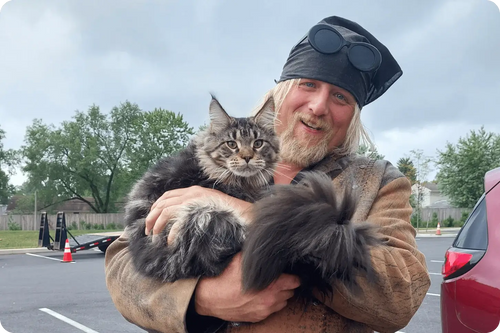
I am absolutely thrilled with my experience! The team provided instant clarification and communication, showing true compassion every step of the way. The video calls reassured me that this company is trustworthy. The caring consultants seamlessly connected me with the breeder, making the entire process smooth and efficient.

5
Purebredkitties has been absolutely wonderful. They made everything so easy and stress-free. Adoption specialist Kim A was fantastic, always going the extra mile to help me. She even responded to my email at 3 am her time! 😊 This whole experience has been truly heartwarming and rewarding.

5
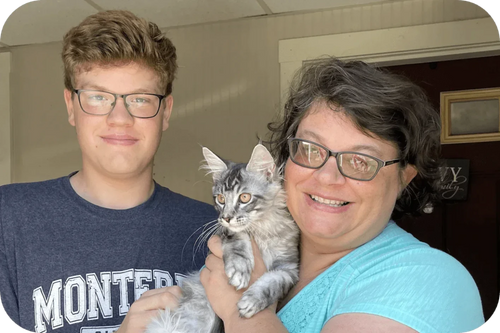
Our experience with Purebredkitties was wonderful! Communication was great, and we even got to FaceTime with our kitten before bringing her home. She was exactly as we expected and is already doing great with our family after just two days. One small note is that pedigree papers weren't included and cost extra, which was a bit pricey since she arrived spayed. Overall, even though it was expensive, it was worth it. The quality and size of our kitten are amazing!

5
The whole experience of adopting a pet with this fantastic team has been nothing short of wonderful. Now, I have the joy of being a devoted pet mom to a gorgeous kitten I named Princess. I'm already looking forward to adopting another fur baby with Maria's help in the future. I'm absolutely thrilled and can't thank you all enough!

5
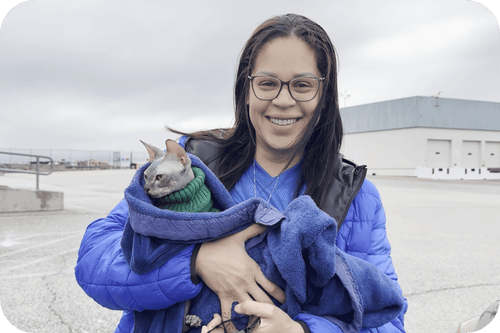
Proud mom of four Sphynx kitties! I adopted all of my adorable feline friends from Maria at purebredkitties.com, and I couldn’t be happier. Each one is a treasure, and working with Maria has been an absolute delight!

5
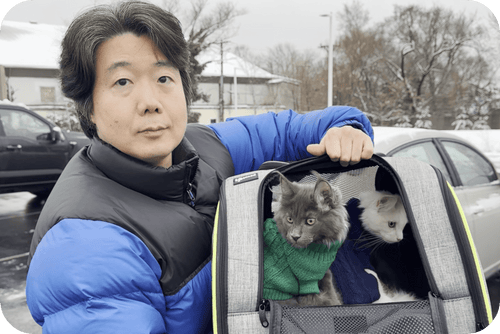
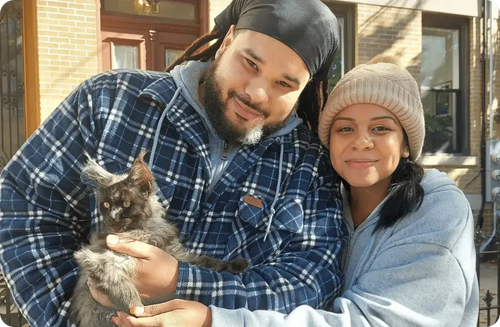
The whole journey to bring our fluffy bundle of joy home was fantastic. Maria is incredibly kind and always ready to answer all our questions. I really appreciate how seriously they take the health of the cats. Our kitten arrived with a minor case of the sniffles, likely from the airport travel, but it was easily and quickly resolved. Plus, the video call we had to meet our little guy beforehand was a wonderful way to get a glimpse of his personality and feel confident in our decision. I'm definitely recommending Purebred Kitties to all my friends who are looking to get their own Maine Coon.

5
I recently welcomed my second Sphynx from Purebred Kitties, and just like my first experience, everything went perfectly. This time around was just as smooth and delightful. I adore both of my cats—they're healthy, have amazing personalities, and are absolutely precious.
5
Adopting our new kitten from Purebred Kitties was a wonderful experience. The process was smooth and clear, leaving no room for confusion. Alona's kindness and genuine care shone through as she promptly answered all my questions. Thanks to the whole team, our new furry family member is now home and already cherished beyond words!
5
I am absolutely thrilled with my experience! The team provided instant clarification and communication, showing true compassion every step of the way. The video calls reassured me that this company is trustworthy. The caring consultants seamlessly connected me with the breeder, making the entire process smooth and efficient.
5
Purebredkitties has been absolutely wonderful. They made everything so easy and stress-free. Adoption specialist Kim A was fantastic, always going the extra mile to help me. She even responded to my email at 3 am her time! 😊 This whole experience has been truly heartwarming and rewarding.
5
Our experience with Purebredkitties was wonderful! Communication was great, and we even got to FaceTime with our kitten before bringing her home. She was exactly as we expected and is already doing great with our family after just two days. One small note is that pedigree papers weren't included and cost extra, which was a bit pricey since she arrived spayed. Overall, even though it was expensive, it was worth it. The quality and size of our kitten are amazing!
5
The whole experience of adopting a pet with this fantastic team has been nothing short of wonderful. Now, I have the joy of being a devoted pet mom to a gorgeous kitten I named Princess. I'm already looking forward to adopting another fur baby with Maria's help in the future. I'm absolutely thrilled and can't thank you all enough!
5
Proud mom of four Sphynx kitties! I adopted all of my adorable feline friends from Maria at purebredkitties.com, and I couldn’t be happier. Each one is a treasure, and working with Maria has been an absolute delight!
5
The whole journey to bring our fluffy bundle of joy home was fantastic. Maria is incredibly kind and always ready to answer all our questions. I really appreciate how seriously they take the health of the cats. Our kitten arrived with a minor case of the sniffles, likely from the airport travel, but it was easily and quickly resolved. Plus, the video call we had to meet our little guy beforehand was a wonderful way to get a glimpse of his personality and feel confident in our decision. I'm definitely recommending Purebred Kitties to all my friends who are looking to get their own Maine Coon.
5
I recently welcomed my second Sphynx from Purebred Kitties, and just like my first experience, everything went perfectly. This time around was just as smooth and delightful. I adore both of my cats—they're healthy, have amazing personalities, and are absolutely precious.


Don't miss your dream kitten! Get updates on newly listed kitties and deals to your inbox!



Comments(0)