
Thick triple coats and powerful frames often make Siberian cats look enormous at first glance. Their broad chests, dense fur, and solid posture create an impression of size that stands out even among other large breeds. But beneath the visual bulk lies a more nuanced reality shaped by slow growth, muscle density, and natural breed development. Understanding how big Siberian cats actually get helps owners set realistic expectations from kittenhood through adulthood.
Average Adult Size of Siberian Cats
When people ask, “How big do Siberian cats get?”, they are usually trying to separate appearance from reality. Fully grown Siberian cats are considered a large domestic breed, but their size reflects strength and structure more than exaggerated dimensions.
Typical Adult Weight Range
Adult Siberian cats generally weigh between 11 and 20 pounds, with healthy individuals spanning a wide but normal range. Weight alone is not an accurate indicator of size due to the breed’s dense muscle mass.
Body Length and Overall Proportions
Most Siberians measure 17 to 25 inches in body length, excluding the tail. Their proportions are balanced rather than elongated, contributing to a sturdy, grounded appearance.
Muscular Build vs Visual Bulk
Much of a Siberian’s apparent size comes from muscle and fur density rather than fat. When handled, they feel solid and compact, not oversized or soft.
Why Siberians Feel Heavier Than They Look
Dense bones and well-developed muscles give Siberians a surprising heft, even when they appear average in frame under their coat.
Siberian Cat Growth Pattern Over Time
Siberian cats are slow developers by nature, and their extended growth timeline is one of the most defining characteristics of the breed. Unlike many domestic cats that reach full size relatively quickly, Siberians mature gradually, allowing their bones, muscles, and connective tissues to develop in a balanced and sustainable way. This prolonged growth period often surprises new owners, but it is a normal and healthy part of the breed’s natural development rather than a sign of delayed or abnormal growth.
Understanding this timeline helps owners avoid common mistakes such as overfeeding or assuming a young cat is underdeveloped. A Siberian’s body prioritizes structural strength and coordination first, with visible size increases occurring later as the foundation is fully established.
Kitten Growth During the First Year
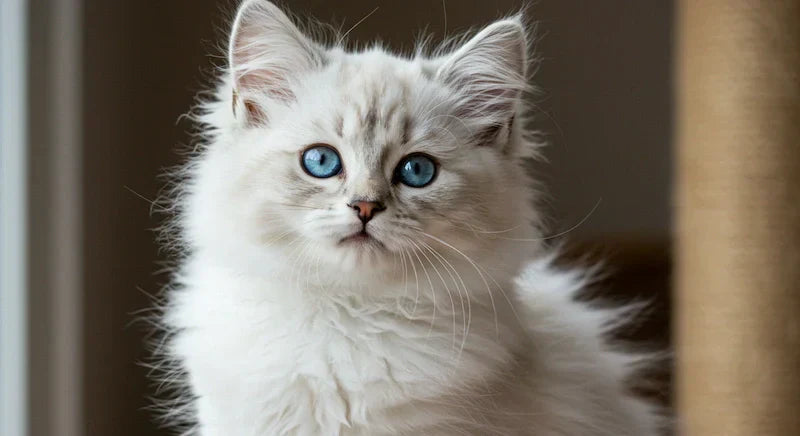
During the first year of life, Siberian kittens concentrate primarily on building a strong skeletal framework and developing coordination. Bones lengthen, joints stabilize, and motor skills improve steadily, but overall body mass increases at a moderate pace. This phase often results in a kitten that appears long, lean, or slightly awkward beneath its thick coat.
Because fur develops early while muscle mass lags behind, young Siberians may look larger than they actually are, especially in winter months. This visual mismatch can be misleading, but it reflects healthy, age-appropriate development rather than insufficient growth.
Adolescent Development and Muscle Formation
Between one and three years of age, Siberian cats enter a prolonged adolescent stage where muscle mass and physical strength become the primary focus. The chest broadens, shoulders become more pronounced, and overall body density increases. This is when the breed’s characteristic power and athleticism begin to fully emerge.
Growth during this phase is gradual and uneven, with periods of visible change followed by plateaus. Owners may notice increases in appetite and strength rather than height, as the body fills out and gains definition rather than length.
When Siberian Cats Reach Full Size
Most Siberian cats do not reach full physical maturity until they are around four to five years old. By this stage, bone growth has completed, muscle development has stabilized, and the cat’s final adult proportions are clearly defined. This extended timeline is significantly longer than that of many other breeds, which often mature by two years of age.
Reaching full size later in life allows Siberians to develop exceptional balance, strength, and endurance. Rather than growing quickly and unevenly, their bodies mature in stages that support long-term joint health and mobility.
Why Slow Growth Is Normal for the Breed
Slow, steady growth is a hallmark of healthy Siberian development. This gradual maturation reduces stress on joints, ligaments, and muscles, lowering the risk of growth-related orthopedic issues. It also allows the body to adapt naturally to increasing size and strength over time.
By growing at a measured pace, Siberians achieve a stable, well-proportioned adult form that supports both agility and durability. What may seem like delayed growth is actually an evolutionary advantage, contributing to the breed’s reputation for resilience, athleticism, and long-term physical soundness.
Size Differences Between Male and Female Siberians
Sex-based differences influence final size, but both males and females remain notably large compared to the average domestic cat.
Average Male Siberian Size
Male Siberians typically weigh 15 to 20 pounds and develop broader heads, thicker necks, and wider shoulders.
Average Female Siberian Size
Females usually range from 11 to 15 pounds, maintaining the same muscular quality in a more streamlined frame.
Structural and Visual Differences
Males often appear more imposing due to ruff development and bone density, while females tend to look more refined without being delicate.
Why Size Differences Are Not Health Indicators
Variation between males and females is natural and does not reflect breeding quality, health status, or temperament.
Why Siberian Cats Grow Larger Than Average Cats
Siberian cats developed through natural selection in harsh climates, where strength and endurance were essential. Their size reflects function rather than exaggeration.
Dense bone structure, powerful muscles, and thick coats allowed them to survive cold environments and physically demanding conditions. Unlike many modern breeds, Siberians were shaped more by nature than by selective breeding.
These origins are often discussed when exploring the natural heritage and evolution of Siberian cats, which helps explain why size and resilience go hand in hand.
Nutrition and Growth Control
Because Siberians grow slowly, nutrition must support steady development rather than rapid weight gain. Overfeeding during early stages can strain joints and distort natural growth patterns.
Balanced diets emphasize high-quality protein for muscle support, controlled fat for sustained energy, and age-appropriate portions. Monitoring body condition matters more than chasing breed-average weight numbers.
Living Comfortably With a Large Cat
Living with a Siberian cat means accounting for strength as much as size. Furniture, carriers, and household spaces should support their weight and movement comfortably.
Larger litter boxes, reinforced cat trees, and spacious carriers improve daily comfort. Despite their size, Siberians adapt well to indoor environments thanks to their calm confidence and steady temperament, qualities often highlighted in discussions about Siberian cat personality and behavior.
Conclusion
Siberian cats grow into large, powerful companions whose size reflects natural development rather than exaggeration. Their impressive build is the result of slow maturation, dense muscle, and strong bone structure developed over several years.
Understanding how big Siberian cats get — and how long that process takes — allows owners to support healthy growth through proper nutrition, space planning, and realistic expectations. When cared for thoughtfully, their size becomes a defining strength rather than a challenge.
































Comments(0)