
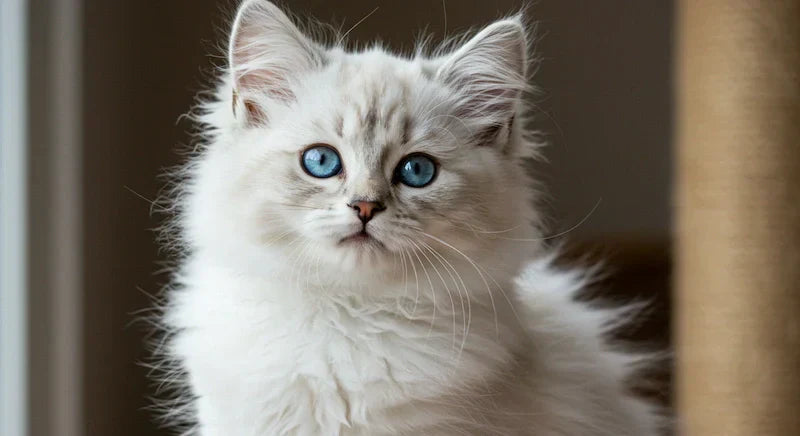
Siberian cats attract adopters with their thick coats, expressive eyes, and calm physical presence that conveys quiet strength. Their appearance often suggests a naturally easygoing companion, but this impression only captures part of the reality. Behind the striking exterior is a large, intelligent breed shaped by natural development rather than heavy human intervention, which influences how Siberians adapt to new homes.
Adoption, in particular, requires preparation that goes beyond visual appeal. Bringing a Siberian cat into your home means committing to a long-term relationship with an animal whose emotional awareness, physical needs, and behavioral patterns unfold gradually over time. Understanding these layers before adoption helps prevent mismatched expectations and supports a smoother transition for both cat and owner.
Is a Siberian cat the right match for your home and lifestyle? Answering that question requires an honest look at temperament, environment, time investment, and the realities of adopting rather than purchasing.
What Makes Siberian Cats Unique as Adopted Pets
Siberian cats are known for a naturally balanced temperament that blends physical power with emotional steadiness. They tend to observe new environments quietly before engaging, using caution rather than impulsiveness when faced with unfamiliar situations. This measured response often helps them cope better with change, but it also means they need time rather than pressure to form trust.
As adopted pets, Siberians often reveal their personalities gradually. They are social without being demanding, preferring consistent companionship over constant stimulation. Once settled, they form strong, stable bonds that are expressed through proximity and shared routines rather than constant vocalization.
Siberians also adapt well to indoor living, particularly when adoption places them in homes that provide mental and physical enrichment. Their athletic build supports climbing and play, while their calm confidence allows them to settle into predictable household rhythms without frustration.
Adopters often notice several defining traits:
-
Emotional resilience during environmental changes
-
Strong attachment that develops steadily rather than instantly
-
Comfort with indoor life when space and stimulation are adequate
These qualities shape how Siberian cats integrate into adopted homes and explain why patience during the early weeks is especially important.
Adoption vs Buying — Key Differences
Choosing siberian cat adoption differs fundamentally from purchasing a kitten from a breeder. Adoption often comes with limited insight into early socialization, genetic background, or past living conditions. While this uncertainty does not diminish the cat’s worth or potential, it does require a more flexible mindset.
Adopted Siberians may need additional time to adjust to new routines, sounds, and people. Even confident cats can experience temporary withdrawal or heightened observation during the transition period. This adjustment is not a sign of incompatibility, but rather a normal response to environmental change.
Another key difference lies in expectations. Buying often involves predictability, while adoption involves discovery. Owners learn about preferences, boundaries, and habits gradually, building trust through consistency rather than immediate familiarity.
Adopters should be prepared for:
-
Partial or incomplete medical and behavioral histories
-
Gradual trust-building instead of instant bonding
-
Close observation during the first months to understand needs
Recognizing these differences early helps adopters approach the process with patience rather than unrealistic assumptions.
Preparing Your Home for a Siberian Cat
Space and Environment Needs
Siberian cats are physically strong, agile, and naturally curious. Preparing your home means accounting for both their size and their desire to move confidently through space. Stable furniture, secure climbing options, and clear pathways reduce stress and support healthy exploration.
Because Siberians rely on strength rather than speed alone, environments that allow controlled movement help prevent injury and frustration. Thoughtful layout matters more than sheer square footage.
Essential Supplies
Supplies should be chosen with durability and scale in mind. Oversized litter boxes allow full movement, while sturdy scratching posts and climbing structures support natural behaviors. Carriers should accommodate weight and body length comfortably, reducing anxiety during travel.
Choosing appropriately sized tools from the beginning helps avoid unnecessary adjustments later.
First Weeks After Adoption
The initial weeks following adoption are critical for emotional stability. Siberians benefit from predictable routines, calm energy, and the freedom to explore without pressure. Gradual exposure to rooms, people, and sounds allows confidence to build naturally.
Effective early preparation often includes:
-
Introducing new spaces one at a time
-
Maintaining consistent feeding and play schedules
-
Providing quiet areas for retreat and observation
These measures support trust-building and help adopted Siberians settle without overwhelm.
Health and History Considerations
Health awareness plays a central role in successful adoption. Veterinary screening shortly after adoption establishes a baseline for weight, dental condition, and overall health. Even when prior records are incomplete, early evaluation helps identify potential concerns before they escalate.
Unknown lineage may limit insight into genetic predispositions, making routine monitoring especially important. While Siberians are generally resilient, proactive care ensures that subtle changes in health are recognized early rather than missed.
Adoption shifts the focus from genetic certainty to ongoing observation and prevention.
Time, Cost, and Long-Term Commitment
Adopting a Siberian cat represents a long-term responsibility that extends well beyond the initial transition period. Daily care includes grooming, mental stimulation, and social interaction, all of which support emotional well-being. Their thick coats require regular maintenance, and their intelligence benefits from engagement rather than neglect.
Financial considerations should be viewed realistically. Food costs are higher due to size, grooming tools must be durable, and veterinary care becomes increasingly important as the cat ages.
Prospective owners should account for:
-
Ongoing grooming time and consistency
-
Higher food consumption relative to smaller breeds
-
Preventive veterinary care throughout adulthood and senior years
Understanding these commitments helps ensure stability for both the cat and the household.
Who Siberian Cat Adoption Is Best Suited For
Siberian cats adapt well to a wide range of households, but they thrive most in environments that value steady companionship over constant stimulation. Families often appreciate their patience and emotional balance, particularly in homes with respectful children.
Singles and couples benefit from their quiet presence and ability to share space without constant demands. Multi-pet homes can also work well, provided introductions are slow and structured, allowing the Siberian to assess social dynamics.
For those considering adopting or buying a Siberian cat, evaluating daily routines and household energy is just as important as admiring the breed’s appearance.
Conclusion
Siberian cat adoption offers meaningful rewards, but it requires thoughtful preparation and realistic expectations. The breed’s calm strength, intelligence, and adaptability are best expressed when supported by consistent care, patience, and environmental stability.
By approaching adoption or buying with awareness rather than impulse, owners create smoother transitions and stronger long-term bonds. When commitment and understanding align, adopted Siberian cats grow into confident, loyal companions who enrich their homes for many years.































Comments(0)